Myrtle Beach Second Home Options: Condo or House?
July 2, 2026
July 2, 2026
Wondering whether your Myrtle Beach second home should be a condo or a house? You are not alone. Many buyers love the idea of owning a place near the coast, but the right fit depends on how you plan to use it, what level of upkeep you want, and how comfortable you are with shared rules and costs. This guide will help you compare the options clearly so you can move forward with more confidence. Let’s dive in.
Myrtle Beach is not a one-size-fits-all housing market. The city’s long-term planning documents describe it as both a tourist destination and a retirement community, with a sizable second-home market and many seasonally occupied properties. That means your decision is not just about square footage or style. It is also about how a property fits the way this coastal market actually works.
The housing mix here gives you real options. According to the City of Myrtle Beach comprehensive plan, the market includes a substantial share of single-family homes, large multifamily buildings, smaller multifamily properties, and townhomes. The same plan counted about 15,261 condominium free-simple ownership units, roughly 8,810 single-family units, and 2,375 townhouse units, so buyers truly have multiple paths to choose from.
Before you compare a condo to a house, think about your real-life plan. Are you visiting a few times a year, staying for longer stretches, or hoping for flexible rental use when you are away? Your answer should shape your decision more than any trend or listing photo.
If you want a place that feels easy to lock and leave, a condo often rises to the top. If you want more privacy, more storage, or more room to spread out during longer stays, a house may make more sense. If you want something in between, a townhome can be worth considering too.
A condo is often the most natural fit for second-home buyers who want lower exterior maintenance and easier ownership. In South Carolina, condo ownership is governed as a horizontal property regime, which means shared elements of the property are managed through the regime documents and owner contributions. That setup can simplify day-to-day ownership, especially if you do not want to handle outside maintenance yourself.
The South Carolina Department of Consumer Affairs explains that condo bylaws must address care, upkeep, surveillance, and common expenses. Owners contribute their share toward administration, maintenance and repair of common elements, repair of limited common elements, and other agreed services. Common elements can include roofs, hallways, stairways, lobbies, yards, gardens, basements, elevators, and similar shared areas.
That structure is a major reason condos appeal to second-home shoppers. You are not eliminating maintenance. You are sharing it. For many buyers, that is a worthwhile tradeoff because it reduces the number of things you manage personally.
A condo may be a strong choice if you want:
Myrtle Beach’s seasonal housing patterns and large multifamily inventory make condos a very common second-home option. If your vision includes beach access, convenience, and a more managed ownership experience, this property type deserves a close look.
The biggest mistake buyers make is assuming a condo is automatically simpler and cheaper. It may be simpler in some ways, but it also comes with a shared-cost system. Horry County’s housing element notes that HOA dues are commonplace in local development and especially high within condo regimes.
That means a lower purchase price does not always equal a lower monthly cost. Your carrying costs may include association dues, and there can also be special assessments depending on the property and its needs. Before you buy, review the full monthly ownership picture, not just the sales price.
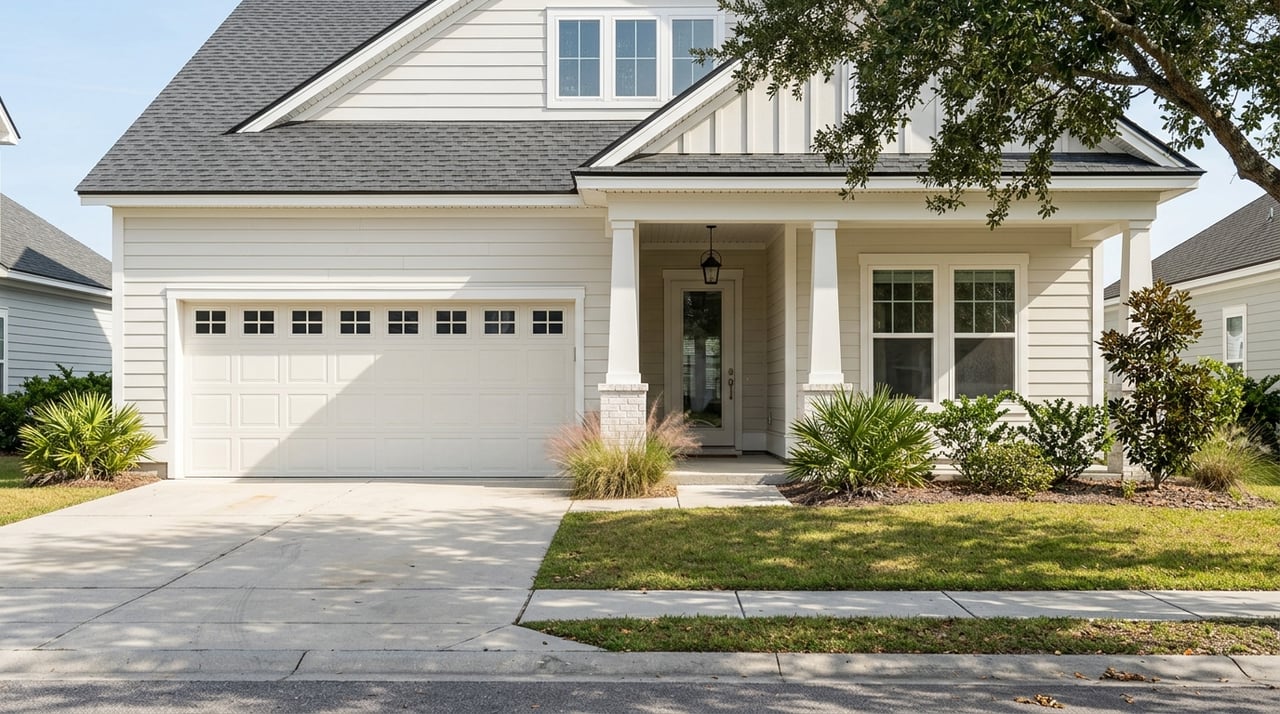
A detached house usually appeals to buyers who want more control over the property and more separation from shared-building rules. In Myrtle Beach, single-family homes remain an important part of the housing stock, even in a market known for condos and vacation properties. For some second-home buyers, that added independence is the deciding factor.
A house often gives you more privacy, more storage, and more flexibility in how you live in the space. If you expect longer stays or want room for hobbies, beach gear, pets, or guests, a house may feel more comfortable over time.
A detached home may be the better choice if you prioritize:
This option often fits buyers who want the property to feel more like a true home base. If you picture yourself spending extended time in Myrtle Beach, a house may support that lifestyle better.
The tradeoff is responsibility. Detached ownership usually leaves more routine upkeep and repair decisions with you, unless a neighborhood HOA specifically handles certain services. In a coastal market, that can be a meaningful factor when you live out of town for part of the year.
If you do not want to think much about exterior upkeep, landscaping, or ongoing property oversight, a house may feel less convenient than a condo. The extra control is valuable, but it comes with more direct involvement.
Not every second-home buyer fits neatly into the condo-versus-house debate. A townhome can offer a useful middle path. Myrtle Beach’s comprehensive plan counted 2,375 townhouse units, showing that this option has a real place in the local market.
In practice, a townhome can feel more house-like than a condo while still coming with HOA oversight and shared expenses. South Carolina’s HOA framework allows associations to collect assessments for shared taxes, insurance, maintenance, improvements, and services tied to common elements and related real estate. That means a townhome may reduce some ownership burden, but it does not remove rules or shared costs.
If you want more space than a typical condo but do not want the full upkeep of a detached house, this can be a smart compromise.
For many second-home buyers, rental flexibility is part of the decision. In Myrtle Beach, you should never assume a property can be used the way you want without checking the local rules and the association documents.
The city requires a business license to do business, and rental properties engaged in short-term rentals must post the license for each unit. For a lawfully rented single-family dwelling, the business-license holder’s name and address must be posted on a weatherproof sign near the front door. These are local rules that matter before you make a purchase.
There is also a Short-Term Rental Conversion overlay zone between Kings Highway and the Atlantic Ocean. Within that area, buildings or structures of more than two units that were constructed or used as visitor accommodations may not be converted to rentals of 90 continuous days or more. For oceanfront condo buyers, that helps show how closely some parts of Myrtle Beach are tied to visitor-oriented use.
If rental flexibility matters to you, check all of the following before making an offer:
This step is important whether you are looking at a condo, townhome, or house. The details can vary from one property to the next.
Your ownership costs in Myrtle Beach are not just about the mortgage, dues, and maintenance. South Carolina property tax classification is also important. According to the South Carolina Department of Revenue, a legal residence receives a 4% assessment ratio, while a second home or vacation home is assessed at 6%.
For many buyers, especially those purchasing from out of state, that difference can have a real effect on annual carrying costs. It is one more reason to compare options carefully and build your budget using the full picture.
If you are still deciding, this framework can help.
A condo is often best if your top priorities are:
A detached house is often best if your top priorities are:
A townhome is often best if your top priorities are:
There is no universal winner between a condo and a house in Myrtle Beach. The best choice depends on how often you will visit, whether rental use matters, how much upkeep you want to handle, and how comfortable you are with shared expenses and rules. In this market, those practical details matter just as much as the view or floor plan.
If you want help comparing condos, townhomes, and houses across the Grand Strand, Carrie Gerald can help you sort through the tradeoffs, review your goals, and narrow in on the property type that fits your lifestyle best.
Stay up to date on the latest real estate trends.
Make your next move with the confidence of decades of local insight. We focus on clear communication and reliable representation from start to finish.